How to Choose an Industrial Robot System Integrator: A Buyer's Checklist
The robot is the easy purchase. The integrator who builds, programs, and stands behind the cell is the decision that actually determines whether the project works. Here is a real checklist, not a vendor's marketing page.
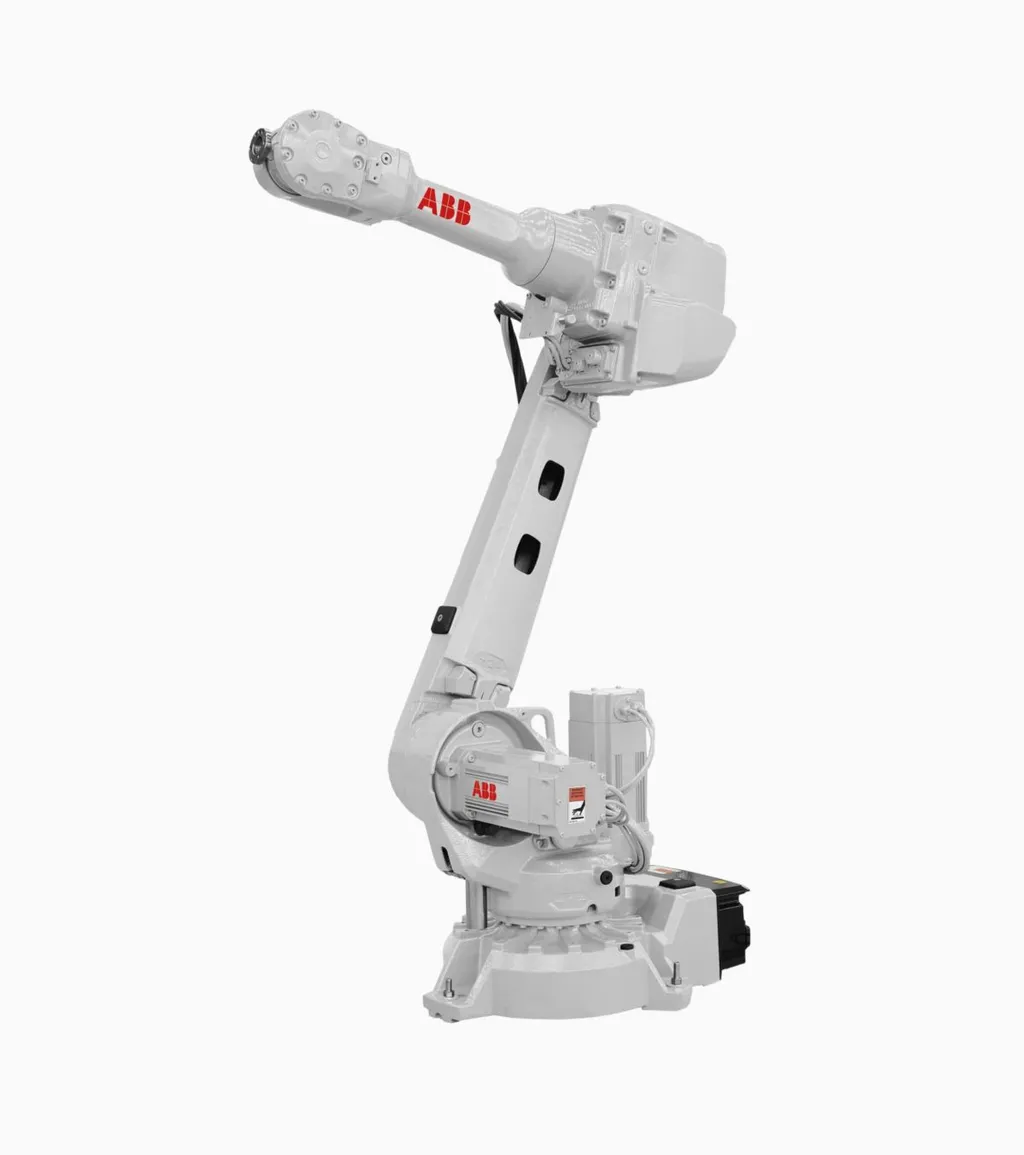
Most buyers spend weeks comparing robot specs and almost no time evaluating who is actually going to build the cell. That is backwards. The robot is a catalog item; two integrators can put the identical arm into two very different systems, one that runs a full shift without incident and one that spends its first six months in the shop getting reworked. The selection criteria below come from a widely cited industry framework known as the “7 C’s,” cross-checked against the one independently verifiable credential in the industry, and closed out with what to do next once you’ve narrowed a shortlist.
The 7 C’s of choosing an integrator
The “7 C’s” framework, first laid out by RoboticsTomorrow and echoed since by other trade outlets, breaks the decision into seven questions worth asking about any integrator before you sign anything.
Capabilities. No integrator is an expert in every application. Find one with a track record in your specific process, not just robotics in general — and ask specifically about end-of-arm tooling. A good integrator designs and builds tooling in-house and can speak to payload, moment of inertia, and process requirements directly; one that subcontracts tooling out is adding a middleman between you and the part of the system that actually touches your product.
Customization. Robotics is not a one-size-fits-all purchase. Your integrator needs to adapt the system to your existing equipment and process, not hand you a generic cell design with your part number swapped in.
Concept. Look closely at how the integrator is actually using the technology, not just whether the proposal has the right buzzwords. Are they taking advantage of a collaborative application to shrink the footprint where it makes sense, or defaulting to a design pattern they’ve reused unchanged for twenty years?
Cost. Get the true, all-in cost of the system in writing, understand exactly what deliverables that number includes, and get clarity on payment terms — a down payment at order, a milestone payment at engineering approval, and further payments through commissioning is a normal structure, but you want to know it going in, along with how change orders get priced.
Capacity. Lead times fluctuate with how backlogged an integrator’s shop is. An integrator with a great proposal but a queue that pushes your install date past your production deadline is the wrong choice regardless of how good the design is.
Certification. Whether the integrator holds — or is working toward — the industry’s own certification, covered in detail below. It’s also worth calling the robot manufacturer directly and asking whether the integrator is part of their partner program and in good standing.
Contact after the sale. Integration is not an exact science; cells need programming touch-ups and occasional new tooling after commissioning, and you will eventually need spare parts and technical support. Confirm what support looks like once the check has cleared, not just what the sales process looked like before it.
The one credential you can independently verify
Everything above depends on how the integrator answers your questions. Certification is different — it’s a third-party check you don’t have to take on faith.
The Association for Advancing Automation (A3) runs the industry’s certification program for robot system integrators (the credential is still referred to as “RIA Certified” in places on A3’s own site, a holdover from the Robotics Industries Association, which merged into A3). Trade press accounts — RoboticsTomorrow and KC Robotics both date the program’s launch to 2012, under its original name — describe it as a response to buyers having no independent way to evaluate an integrator’s claims.
What A3’s own current page states the certification actually requires: Pre-Qualification, an On-site Audit, a Practical Assessment of Key Personnel, and a Robot Safety Risk Assessment Exam. That is a meaningfully different bar than a logo on a website — it means someone from A3 physically visited the integrator’s shop, assessed the people who will actually be doing the engineering, and evaluated their safety process specifically, not just their general business practices.
A3’s own page on why to use a certified integrator frames the certification as evidence of five things: achievement, proficiency, breadth and depth of knowledge, commitment and accountability, and safety compliance expertise. Take that framing for what it is — A3 runs the program, so it has an interest in selling its value — but the underlying audit-plus-personnel-assessment structure is real and confirmable, which is more than can be said for most vendor marketing claims in this space.
Certification is not a substitute for the 7 C’s above. It’s a floor, not a ceiling: it tells you an integrator cleared a real bar on process and safety, not that they’ve built your specific application before. Ask about certification status alongside the application-specific track record question, not instead of it.
What to do with this checklist
Once you have a shortlist of two or three integrators, the fastest way to compare them apples-to-apples is to put the same questions in front of every one of them in writing, rather than relying on however each sales conversation happened to go. Our RFQ builder generates a print-ready comparison sheet with a vendor-question checklist built for exactly this — payload at full reach rather than peak payload, cycle time at rated speed rather than a marketing number, lead time, cell safety-marking responsibility, and service terms, all in one document you can hand to every integrator on your shortlist.
Before you get to that stage, you still need a robot to build the RFQ around. If you’re weighing two specific candidates, our guide to comparing two industrial robots side by side walks through the order to check specs in — payload at reach, environment fit, safety architecture, then programming ecosystem — and you can run the same comparison live on our compare tool. And if the cost side of the decision is still fuzzy, robot integration cost reality breaks down where the 4-6x multiplier over the arm’s own price actually goes, line item by line item, so you walk into integrator conversations already knowing roughly what a fair proposal should look like. Once the cell is running, what to stock for spare parts covers the maintenance relationship that starts the day commissioning ends — worth asking your integrator about directly, since “contact after the sale” is one of the 7 C’s for a reason.
The robot is the part everyone researches. The integrator is the part that decides whether the research mattered.
Frequently asked questions
Is a certified robot integrator always the better choice? +
It is the one credential a buyer can independently verify before signing a contract, which is not the same as a guarantee of fit. A3 certification confirms an integrator passed an on-site audit, a practical assessment of key personnel, and a robot safety risk assessment — real, structured evidence of process maturity. It does not confirm the integrator has experience in your specific application. A certified integrator with no track record in your process is still a bigger risk than an uncertified one who has built ten cells exactly like yours.
How much does robot system integration typically cost on top of the arm price? +
The industry shorthand is 4-6x the arm's own price once tooling, guarding, engineering, programming, and commissioning are added, though the real multiple depends heavily on how customized the cell is. Our own breakdown of what that multiplier actually includes, line item by line item, is in robot integration cost reality.
What questions should I ask a robot integrator before signing a contract? +
Ask what percentage of their past projects used the robot brand and application type you need, whether they design and build end-of-arm tooling in-house or subcontract it, how they structure milestone payments, whether they are backlogged past your required delivery date, and what support looks like after commissioning ends. Our RFQ builder turns this into a print-ready vendor checklist you can hand to every integrator you're evaluating.
Compare these robots