Teradyne Robotics Posts 5th Straight Growth Quarter, Up 33%
Teradyne Robotics — Universal Robots' cobots and MiR's AMRs — booked $100M in Q2 2026 revenue, up 33% year-over-year, a fifth straight growth quarter.
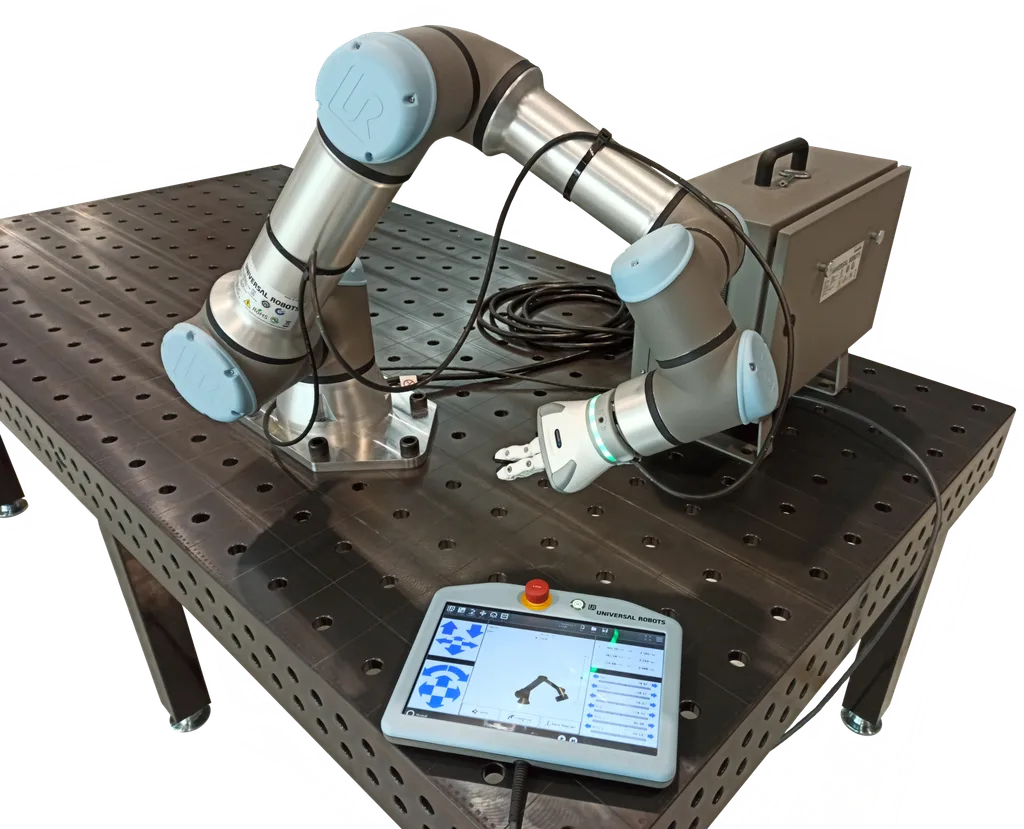
Teradyne’s Robotics segment — the Denmark-built pairing of Universal Robots’ collaborative arms and Mobile Industrial Robots’ (MiR) autonomous mobile robots — generated $100 million in revenue in the second quarter of 2026, up 33% from $75 million a year earlier and up from $91 million in the first quarter of 2026. It’s the segment’s fifth consecutive quarter of growth, according to results Teradyne reported after market close on July 28, discussed further on the company’s earnings call the next day.
What Teradyne Robotics actually is
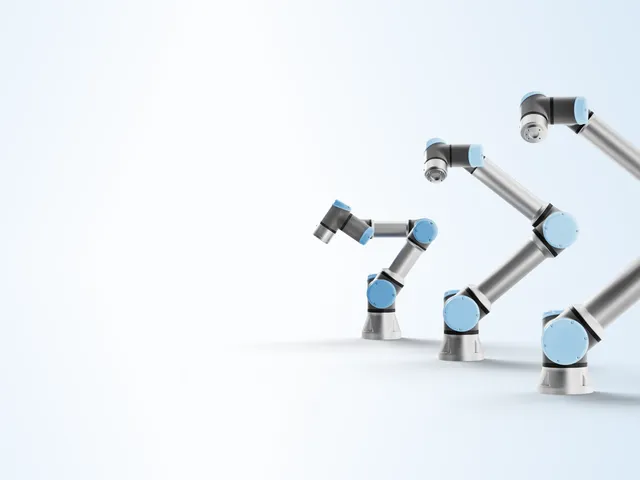
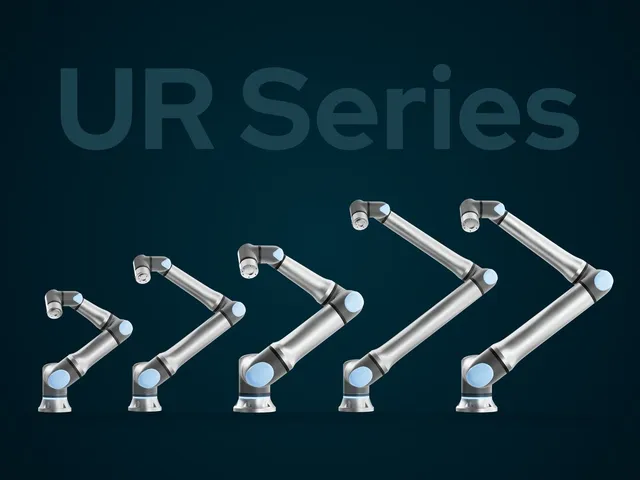
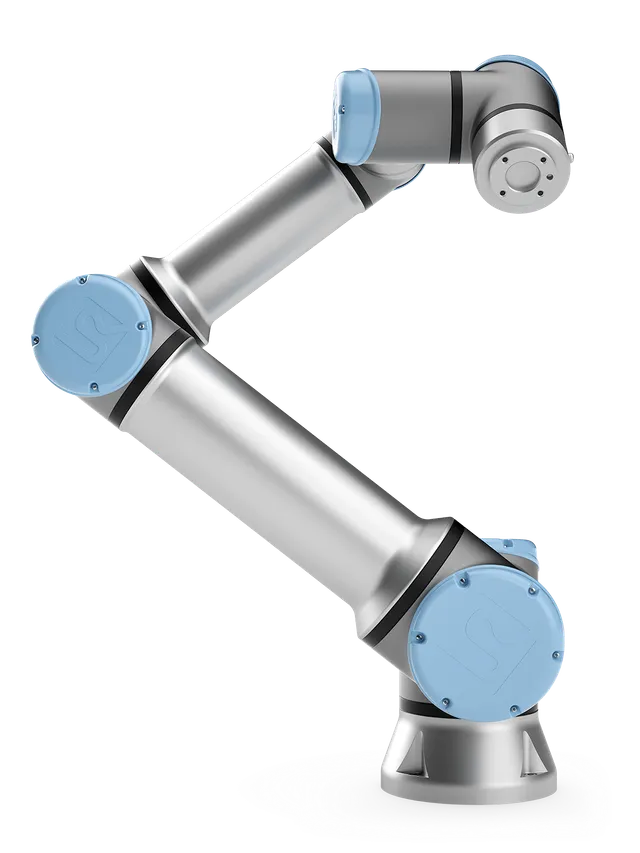
Teradyne is best known as a semiconductor and system-level test equipment maker — the company that builds machines chipmakers use to verify silicon before it ships. It acquired Universal Robots in 2015 and Mobile Industrial Robots in 2018, folding both into a Robotics segment that sits alongside Teradyne’s much larger Semiconductor Test and System Test groups. Universal Robots makes six-axis collaborative robot arms (“cobots”) designed to work alongside people without the fencing traditional industrial arms require, spanning payload classes from 3 kg up to 30 kg. Nine current UR models — the UR10e, UR20, UR5e, and UR16e among them — are tracked in Industrial Robotics Hub’s own database. MiR builds wheeled autonomous mobile robots (AMRs) that move parts and materials around factory and warehouse floors; it isn’t a platform IRH’s database currently tracks.
The numbers, and where they sit in context
The $100 million robotics figure needs to be read against Teradyne’s total company results, because the two stories are very different in scale and cause. Teradyne’s total revenue for Q2 2026 was $1,329 million, up 104% year-over-year from $652 million — a jump driven almost entirely by semiconductor test demand tied to AI chip production, not by robotics. Robotics accounted for roughly 7.5% of total company revenue this quarter; the growth engine at Teradyne right now is chip test, and robotics is a smaller, separately-growing line item riding alongside it.
Company-wide, Teradyne reported GAAP net income of $374.5 million, GAAP diluted earnings per share of $2.38, and non-GAAP diluted EPS of $2.47. GAAP operating margin came in at 32.9%, non-GAAP at 33.7% — both company-wide figures, not a robotics-segment-specific margin, which Teradyne does not disclose separately. CEO Greg Smith framed the quarter as broad-based: “Our strategy to capture test and robotics opportunities from wafer to AI data center has driven another record quarter,” he said, adding that “all three of our business groups grew year over year and quarter over quarter, highlighting the AI demand across all parts of the business.”
Why the robotics line is worth watching anyway
A 33% year-over-year jump and a fifth straight quarter of sequential growth is a meaningfully different trajectory than the segment has shown in recent years, when cobot and AMR demand cooled alongside a broader manufacturing capex slowdown. The plausible connector to the rest of Teradyne’s quarter is that AI-driven capacity expansion in electronics and semiconductor manufacturing — the same build-out pushing chip-test orders — is also a market where UR cobots (used for tasks like PCB handling, machine tending, and inspection) and MiR AMRs (moving material between production cells) get deployed. Teradyne’s own commentary ties test and robotics together as adjacent opportunities in that AI buildout, but the company has not published a breakdown of robotics revenue by end market, so how much of the growth is specifically AI-adjacent electronics manufacturing versus general industrial demand recovery is not something Teradyne’s disclosures let us isolate. Readers wanting more on where UR cobots typically get deployed can see IRH’s Universal Robots buying guide and how the lineup stacks up against Chinese competitors in our cobot comparison piece; the brand’s full current lineup is on its Universal Robots brand page.
Unlike the wave of humanoid-robot financing headlines this desk has covered recently — pre-revenue SPAC listings and venture rounds betting on future products — this is an already-public company reporting actual quarterly product revenue from robots that ship and get installed today. That doesn’t make the number bigger, but it makes it a different kind of evidence.
What’s next
Teradyne’s guidance for Q3 2026 is company-wide, not robotics-specific: total revenue of $1,200–$1,300 million, GAAP diluted EPS of $1.79–$2.09, and non-GAAP diluted EPS of $1.85–$2.15. The company did not issue a separate robotics revenue target for the quarter, consistent with its practice of not guiding the segment individually.
Sources
- Teradyne Reports Second Quarter 2026 Results — Teradyne, Inc., Jul 28, 2026
- Teradyne Robotics revenue rises 33% year-over-year in Q2 — The Robot Report, Jul 30, 2026
Robots mentioned
Tap a card to open the full spec sheet.
Frequently asked questions
How big is Teradyne Robotics compared to Teradyne as a whole? +
Small and growing. Robotics brought in $100 million of Teradyne's $1,329 million in total Q2 2026 revenue — about 7.5% of the company. The rest is Teradyne's semiconductor and system-level test business, which is riding AI chip demand.
Does Teradyne break out Universal Robots and MiR revenue separately? +
No. Teradyne reports a single combined Robotics segment figure ($100 million for Q2 2026) covering both Universal Robots' cobots and Mobile Industrial Robots' AMRs. Neither the press release nor the earnings call materials split the two brands' revenue out individually.
Is the 32.9% operating margin specific to the robotics business? +
No — that figure, and the 33.7% non-GAAP version, are company-wide GAAP and non-GAAP operating margins for all of Teradyne, not a robotics-segment margin. Teradyne does not disclose a separate profitability figure for the Robotics segment.
What robots does Universal Robots make, and are they in Industrial Robotics Hub's database? +
Universal Robots builds six-axis collaborative arms (cobots) in payload classes from 3 kg to 30 kg. Nine current models — the UR3e, UR5e, UR7e, UR10e, UR12e, UR15, UR16e, UR20, and UR30 — are tracked in IRH's robot database with full spec sheets.
More news